Close Menu
 World
World
 Biography
 Health
 Education
 Business
 Lifestyle
 Sports
 Technology
 Animals
 History
 Food
Food
 Religious
 Startups
 Movies
 Politics
 Fashion
 Covid
Covid
 Diet
Diet
 Fitness
 Marketing
 Travel
 Science
 Reviews
 Social media
 Stories
 Facts
Facts
 Art
Art
 Entertainment
Drawstick

Business
How Cabinet Drawings Improve Planning and Project Success
 Drawstick
Successful cabinet projects depend on much more than attractive designs and quality materials. Whether you are planning a residential kitchen remodel, office storage installation, retail cabinetry, or custom millwork project, careful planning is essential for achieving the desired results. One of the most valuable tools in this process is cabinet drawings.
Many project delays, budget overruns, and installation problems occur because important details were overlooked during the planning stage. Detailed drawings help eliminate these issues by providing a clear roadmap for designers, contractors, fabricators, and installers. They allow everyone involved in the project to work from the same information, reducing confusion and costly mistakes.
This article explains how cabinet drawings contribute to better project planning and why they are a vital part of any successful cabinetry project.
Understanding Cabinet Drawings
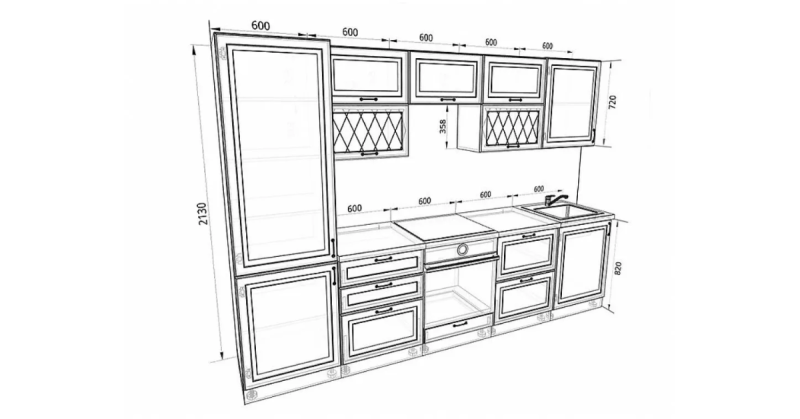
Cabinet drawings are technical illustrations that show how cabinets will look, fit, and function within a space. These documents provide detailed information about dimensions, materials, construction methods, hardware placement, and installation requirements.
Typical drawings may include:
- Floor plans
- Front elevations
- Side views
- Cross-sections
- Material specifications
- Hardware schedules
- Installation guidelines
- Construction notes
These drawings serve as a bridge between the design concept and the final product, helping ensure that every cabinet is manufactured and installed according to plan.
Why Cabinet Drawings Matter in Project Planning
Imagine a homeowner investing in a custom kitchen renovation. The design appears perfect on paper, but after fabrication, several cabinets interfere with appliance clearances and doorway access. Correcting these issues requires additional labor, material changes, and schedule adjustments.
Situations like this are common when planning lacks accurate documentation.
Professional cabinet drawings help identify potential problems before fabrication begins. As a result, project teams can make informed decisions early, avoiding expensive corrections later in the process.
Some major planning benefits include:
- Improved project visualization
- Better communication among stakeholders
- More accurate budgeting
- Reduced material waste
- Faster approval processes
- Fewer installation challenges
- Improved scheduling efficiency
Because of these advantages, cabinet drawings are considered a critical planning resource in modern construction and renovation projects.
Begin With Complete Project Information
Every successful project starts with gathering accurate information. Before creating any drawings, it is important to understand the project's specific requirements.
Important details include:
- Room dimensions
- Client expectations
- Appliance sizes
- Storage requirements
- Design preferences
- Building regulations
- Existing site conditions
Collecting this information early helps ensure the final drawings accurately reflect the project's goals.
For example, a client may initially request standard storage cabinets. During planning discussions, they may decide to add pull-out shelves, specialty organizers, or a pantry system. Capturing these requirements before drafting begins helps prevent unnecessary revisions later.
Accurate Measurements Create Better Results
Precise measurements are one of the most important aspects of cabinet planning.
Measurements should include:
- Wall lengths
- Ceiling heights
- Door locations
- Window openings
- Utility connections
- Structural elements
- Existing fixtures
Even a small measurement error can create major installation problems.
Professional drafting teams carefully document every dimension to ensure the cabinetry fits the available space perfectly. Accurate measurements provide the foundation for successful fabrication and installation.
Creating Functional and Efficient Layouts
A cabinet layout should do more than simply fill a room with storage. It should improve functionality, accessibility, and workflow.
When developing layouts, planners should consider:
- Daily usage patterns
- Storage accessibility
- Appliance positioning
- User comfort
- Traffic flow
- Safety considerations
For kitchens, efficient work zones are especially important. Cabinets should support cooking, cleaning, and storage activities while maintaining comfortable movement throughout the space.
Similarly, commercial environments require layouts that support employee productivity and operational efficiency.
A thoughtfully designed layout often improves both functionality and customer satisfaction.
Using Detailed Shop Drawings for Fabrication
After the layout has been approved, the next step is producing detailed cabinet shop drawings.
These documents contain manufacturing-level information such as:
- Component dimensions
- Joinery methods
- Material types
- Hardware locations
- Assembly details
- Finish specifications
Shop drawings provide fabricators with precise instructions for building each cabinet.
Without detailed documentation, manufacturers may rely on assumptions that can lead to errors, delays, and costly rework. Investing in professional shop drawings helps ensure consistency and accuracy throughout the production process.
Coordinating With Other Building Systems
Cabinet installations often interact with multiple building systems. Electrical wiring, plumbing lines, HVAC components, and lighting fixtures can all affect cabinet placement.
Detailed planning allows project teams to coordinate cabinetry with these systems before installation begins.
Proper coordination helps prevent issues such as:
- Cabinets blocking electrical outlets
- Plumbing conflicts
- Appliance clearance problems
- HVAC interference
- Insufficient working space
By identifying conflicts early, teams can avoid costly modifications during construction.
This proactive approach keeps projects moving efficiently while minimizing unexpected disruptions.
Improving Budget Accuracy
Accurate planning plays a major role in controlling project costs.
When cabinet drawings are prepared correctly, estimators can calculate:
- Material quantities
- Labor requirements
- Hardware costs
- Finishing expenses
- Installation costs
- Project timelines
Reliable information leads to more accurate estimates and better budget management.
Contractors can provide clients with realistic pricing, while project owners gain greater confidence in their financial planning.
As a result, projects are less likely to experience unexpected cost increases.
Reviewing Drawings Before Production
One of the greatest advantages of detailed cabinet planning is the ability to review every aspect of the project before manufacturing begins.
During the review phase, stakeholders should verify:
- Dimensions
- Materials
- Hardware selections
- Finishes
- Construction details
- Installation requirements
This review process helps identify errors while changes are still inexpensive and easy to implement.
Making corrections after fabrication has started often results in additional costs and schedule delays.
A careful review significantly improves project success.
Supporting Efficient Installation
The value of cabinet drawings continues beyond design and fabrication. Installation teams rely on these documents to ensure cabinets are positioned correctly.
Installers use drawings to:
- Verify placement locations
- Maintain alignment
- Confirm spacing requirements
- Install hardware correctly
- Follow design specifications
Because installers have access to clear instructions, they can work more efficiently and with greater confidence.
This reduces installation errors and helps maintain project schedules.
A Real-World Planning Example
A retail store owner planned a renovation that included custom display cabinetry. To reduce costs, the owner initially considered moving directly to fabrication without detailed drawings.
Fortunately, the contractor recommended preparing professional cabinet documentation first.
During the review process, the team discovered that one display unit would obstruct customer traffic flow and violate accessibility requirements.
The issue was corrected before manufacturing began.
As a result, the store avoided expensive modifications, completed construction on schedule, and achieved a better customer experience after opening.
This example highlights how effective planning can prevent significant project challenges.
Common Planning Mistakes to Avoid
Even experienced professionals can encounter planning issues.
Some common mistakes include:
Ignoring Existing Site Conditions
Always verify field measurements and site conditions before finalizing drawings.
Approving Drawings Too Quickly
Take time to review every detail carefully before fabrication begins.
Poor Trade Coordination
Coordinate cabinetry with plumbing, electrical, and mechanical systems.
Overlooking Future Storage Needs
Consider both current and future storage requirements during planning.
Relying on Assumptions
Every dimension and specification should be clearly documented to avoid misunderstandings.
Avoiding these mistakes improves project efficiency and reduces risk.
Why Professional Cabinet Drawing Services Are Valuable
Although basic software makes it possible for individuals to create simple layouts, professional drafting services provide a much higher level of accuracy and detail.
Professional drawing specialists offer:
- Precise documentation
- Industry-standard drafting practices
- Better fabrication support
- Improved coordination
- Faster approvals
- Reduced project risk
Most importantly, they help ensure the finished cabinets match the original design intent.
For both contractors and property owners, professional drawings often result in smoother project execution and better long-term outcomes.
Conclusion
Successful cabinetry projects require careful preparation, accurate information, and effective communication. Cabinet drawings play a central role in achieving these goals by providing a clear visual and technical guide throughout every project stage.
From gathering measurements and creating layouts to fabrication, budgeting, and installation, detailed drawings help eliminate uncertainty and reduce costly mistakes. They improve drawstick collaboration among project teams while supporting better scheduling and financial planning.
Whether you are working on residential cabinetry, commercial storage systems, or custom millwork installations, investing in professional cabinet drawings can significantly improve project planning and overall success.
FAQs
1. What are cabinet drawings?
Cabinet drawings are technical documents that show cabinet dimensions, layouts, materials, construction details, and installation requirements before fabrication begins.
2. Why are cabinet drawings important?
They help improve planning, reduce mistakes, enhance communication, and ensure cabinets fit properly within the available space.
3. How do cabinet drawings help control costs?
Accurate drawings provide reliable information for estimating materials, labor, hardware, and installation expenses, resulting in more accurate budgets.
4. Can cabinet drawings reduce project delays?
Yes. By identifying potential issues before production starts, cabinet drawings help prevent fabrication errors, installation conflicts, and construction delays.
Source:
Click for the: Full Story
You might like